The Allure of Casino Environments
The environment within a casino is meticulously crafted to stimulate excitement and engagement. The use of bright lights, vibrant colors, and immersive sounds creates an atmosphere that heightens emotions and encourages players to let loose. This sensory overload is designed to draw players in and keep them engaged for extended periods, often leading them to spend more money than initially intended. The design elements of casinos manipulate players’ moods and decisions, triggering an urge to gamble, especially when many seek to find top online casinos that enhance their experience.
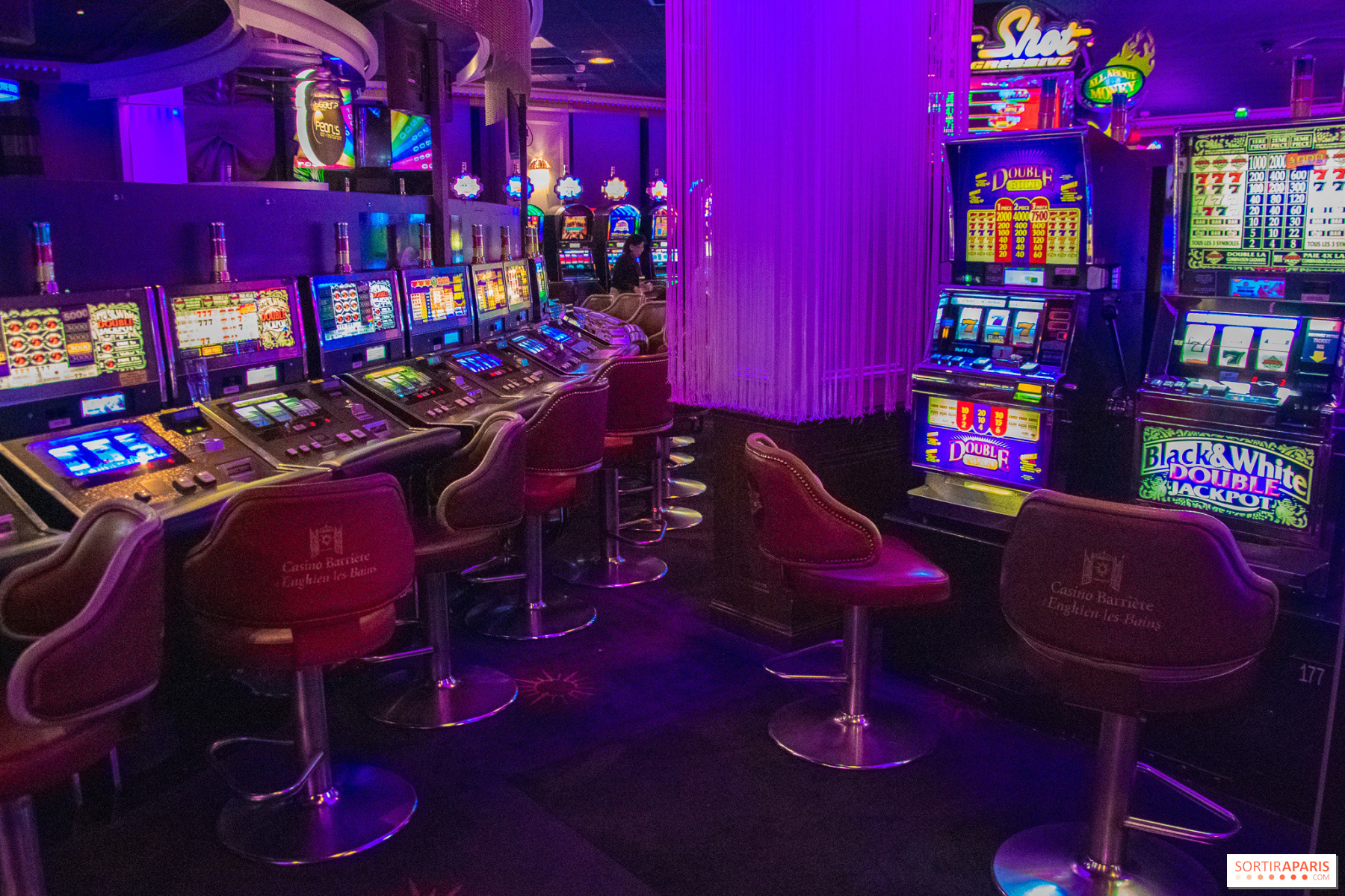
This psychological manipulation goes beyond mere aesthetics. Casinos are also strategically laid out to create a sense of disorientation, making it difficult for players to keep track of time or their spending habits. This is further compounded by the availability of complimentary drinks and food, which can diminish self-regulation and lead to impulsive decision-making. The combination of these factors creates an environment ripe for prolonged gambling sessions and increased player behavior that might not align with their initial intentions.
The Role of Reward Systems
The psychology of reward systems plays a crucial role in shaping player behavior within casinos. Slot machines, in particular, utilize variable ratio reinforcement schedules—an approach borrowed from behavioral psychology that rewards players unpredictably. This unpredictability leads to heightened anticipation and excitement, driving players to engage with the machines more frequently and for longer periods. The thrill of hitting a jackpot, even if it occurs randomly, can create a powerful compulsion to keep playing. This sense of achievement can lead players to overlook losses in favor of potential future wins, perpetuating a cycle of gambling behavior that can be difficult to break.
Additionally, the presence of loyalty programs and bonuses creates an environment where players feel valued, further encouraging them to return. These rewards often reinforce the notion that players are making progress or receiving something of value, even when the odds are stacked against them. This sense of achievement can lead players to overlook losses in favor of potential future wins, perpetuating a cycle of gambling behavior that can be difficult to break.
Identity and Social Reinforcement
Many players approach casino games as a means of social engagement, using gambling as a way to connect with friends or meet new people. The social aspect of gambling can enhance the experience, making it feel less risky and more enjoyable. Casinos often cultivate this social atmosphere through events and tournaments, encouraging players to form connections and share their experiences. This can create a sense of belonging among players and reinforce continued participation.
However, the social reinforcement that comes with gambling can also lead to negative behaviors. Players may feel pressured to continue playing to maintain their social standing or to keep up with friends, even when it may not be in their best financial interest. This social dynamic can contribute to the normalization of gambling behavior and increase the likelihood of developing problematic gambling habits over time.
Cognitive Biases in Gaming Decisions
Cognitive biases significantly impact how players perceive and engage with casino games. One common bias is known as the “gambler’s fallacy,” where players believe that past outcomes influence future results. For example, a player may think that a slot machine is “due” for a win after a series of losses, leading them to continue playing despite losing streaks. This misinterpretation of randomness can result in poor decision-making and greater financial losses. Understanding cognitive biases is crucial for maintaining awareness of one’s gambling patterns.
Moreover, confirmation bias can also play a role, as players tend to remember their wins more vividly than their losses. This selective recollection reinforces the belief that winning is more common than it truly is, further encouraging continued gambling. These biases create a psychological trap that can lead to risky behaviors and financial repercussions, making it essential for players to be aware of their thought patterns while gaming.

Ensuring Safe Gaming Experiences
While the psychological elements of gambling can be captivating, it’s essential for players to prioritize safe gaming practices. Understanding the influences that drive behavior in casino settings can empower individuals to make more informed decisions. Self-awareness regarding one’s motivations for gambling and recognizing the potential for problematic behavior are crucial steps toward responsible gaming.
Additionally, it is important for casinos and online gaming platforms to promote a culture of safety and responsibility. By providing resources for responsible gambling, such as setting limits on spending and offering self-exclusion options, players can engage with casino games in a healthier manner. Emphasizing transparency and user support can enhance the gaming experience while reducing the risks associated with gambling behavior.